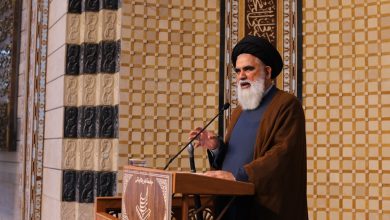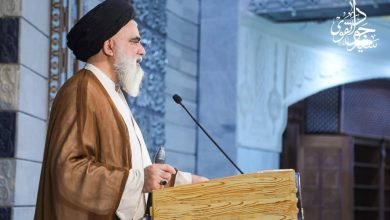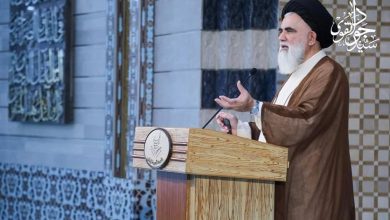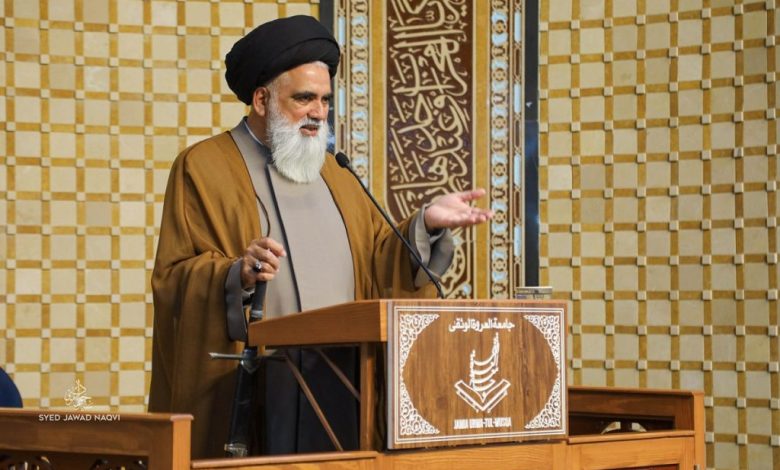
Hujjatul Islam Ustad Syed Jawad Naqvi
(Mudiri wa Jamia Urwatul Wuthqa – Lahore)
Imetolewa na: Masjid Baitul ul Ateeq
Lahore – Pakistan
KHUTBA YA IJUMAA – 16 MEI 2025
Khutba ya 1: Furqan – matokeo ya Taqwa; Hitaji muhimu sana kwa jamii.
Taqwa haikusudiwa kwa mapambo tu maana yake ikiwa haipo basi pia haijalishi. Taqwa inahitajika kwa maisha ya mafanikio.
Katika Surah Anfal, aya ya 25
وَاتَّقُوا فِتْنَةً لَا تُصِيبَنَّ الَّذِينَ ظَلَمُوا مِنْكُمْ خَاصَّةً ۖ وَاعْلَمُوا أَنَّ اللَّهَ شَدِيدُ الْعِقَابِ {25}
Na iogopeni fitna ambayo haitawasibu wale walio dhulumu miongoni mwenu. na jueni kwamba Mwenyezi Mungu ni Mkali wa kuadhibu.
يَا أَيُّهَا الَّذِينَ آمَنُوا إِن تَتَّقُوا اللَّهَ يَجْعَل لَّكُمْ فُرْقَانًا وَيُكَفِّرْ عَنكُمْ سَيِّئَاتِكُمْ وَيَغْفِرْ لَكُمْ ۗ وَاللَّهُ ذُو الْفَضْلِ الْعَظِيمِ
“Enyi mlioamini, ikiwa mtamcha Mwenyezi Mungu, atakupeni kigezo na atakuondoleeni maovu na atakusameheni. Na Mwenyezi Mungu ndiye Mwenye fadhila kubwa.
Wengi :watu wanadai kuwa waumini, lakini ukweli sio. Wanaohutubiwa hapa ni wale ambao Quran inawachukulia kuwa waumini wa kweli. Qur’an inasema kwamba ikiwa utashika Taqwa (uchamungu na fahamu ya kulinda), basi Mwenyezi Mungu atakupa Furqan. Natija ya pili ya Taqwa ni kwamba Mwenyezi Mungu atakuficha madhambi yako na zaidi ya hayo akupe msamaha. Na malipo haya hayakomei kwa haya tu—Mwenyezi Mungu ndiye Mwenye fadhila kubwa, ambazo pia mtapewa.
Matokeo ya kwanza ya Taqwa yaliyotajwa hapa ni Furqan, dhana muhimu na mojawapo ya majina ya Quran yenyewe. Furqan, maana yake “kigezo,” si sawa na maarifa ya jumla. Mahali pengine, matokeo ya Taqwa yanaelezewa kama elimu, lakini Furqan inatokana na mzizi wa neno la Kiarabu “Farq,” ambalo linamaanisha kutengana au kutofautisha. Kwa Kiarabu, “Farq” pia inahusu mstari ulioundwa wakati nywele zimegawanywa juu ya kichwa. Katika fasihi ya Kiarabu, chombo au mbinu yoyote inayotumika kutenganisha au kutofautisha vitu viwili—viwe vimechanganyika au chombo kimoja kinachohitaji mgawanyiko—huitwa “Farq.” Kwa mfano, watu wa Madina walitumia chombo kiitwacho Farq kutenganisha nafaka na maji. Kwa hivyo, Furqan inarejelea njia ambayo utengano huu unafanywa.
Sura ya 25 ya Quran inaitwa “Al-Furqan,” ikionyesha nafasi yake katika kutoa ufahamu wa kiungu unaomwezesha mtu kutofautisha kati ya ukweli na uongo. Changamoto zetu nyingi leo zinatokana na ukosefu wa ufahamu huo. Ingawa tunaweza kuwa na ufahamu wa maslahi na matamanio yetu binafsi, Furqan ni utambuzi mahususi wa kiungu uliotolewa na Mwenyezi Mungu kwa waumini ambao unawaruhusu kupambanua kwa usahihi. Utambuzi huu ni muhimu katika maisha yetu ya kibinafsi na ya kidini.
Watu wanapotembelea sokoni, wanaweza kuona bidhaa zilezile, ilhali wengine wanaweza kutofautisha ubora kulingana na uzoefu au ujuzi wao, huku wengine, kwa kukosa uwezo huo, wanamwamini muuza genge kwa upofu na kushindwa kutambua hata mboga mbichi—mara nyingi hupelekea kukemewa na wenzi wao wa ndoa. Tofauti na hilo, wale walio na ufahamu hukagua kwa uangalifu na kuchagua kwa hekima. Uwezo huu wa kiakili wa kutofautisha wema na ubaya ni Furqan. Kwa Kiingereza, inatafsiriwa kama “Criterion” au “Standard.” Kuona kila kitu kuwa sawa kunatokana na ukosefu wa utambuzi, ambao unawapelekea watu kuzichukulia njia za uongofu na upotofu kuwa ni sawa.
Abdullah ibn Masoud alisimulia kwamba siku moja Mtume (s) aliwakusanya masahaba zake wakuu kwenye duara na akachora mistari mitatu inayolingana. Alieleza kwamba mstari wa katikati unawakilisha njia yake—njia ya ukweli na haki—wakati mistari miwili iliyo sambamba kando yake inawakilisha njia za udanganyifu za Shetani. Hekima hapa ni kwamba njia za uwongo mara nyingi hufuatana na njia ya kweli na kufanana nayo. Bila Furqan—uwezo wa kutofautisha—mtu anaweza kuzingatia njia zote sawa. Hili ndilo janga la wakati wetu: talanta na ujuzi umekuzwa, lakini uwezo wa kutambua mema na mabaya haupo. Kizazi cha leo hakiwezi kutofautisha hata kati ya vitu ambavyo vinaonekana wazi, vikichukulia kuwa sawa.
Quran inauliza: Je! ni sawa wale wanaojua na wasiojua? Je, waumini na wapotovu ni sawa? Quran inazua maswali haya kwa sababu watu huwa wanayaona sawa. Wengi husema tuwatendee kila mtu kwa usawa na kumwachia Mwenyezi Mungu hukumu—baada ya yote, wote ni Waislamu wa familia moja au kabila moja. Lakini Qur’ani imeweka tofauti, na tumezitia wepesi. Msingi wa maisha katika jamii nyingi ni wa kitamaduni—sio wa kiroho—na utamaduni huo unasisitiza undugu juu ya imani. Inazuia kutengana kati ya jamaa kwa msingi wa imani au maadili. Hebu angalia marafiki zako mwenyewe: wangapi ni waumini na wangapi ni wapotovu? Quran inasisitiza kuwa usimlinganishe Muumini na fasiki.
Je, tunawaheshimu wanachuoni kwa kuzingatia viwango vilivyowekwa na Quran, au kwa upendeleo wa kitamaduni na kisiasa? Ikiwa ungeweka katika kategoria ya watu fisadi zaidi nchini Pakistan, wanasiasa wangeongoza kwenye orodha. Bado watu huwapigia kura na kuwapa majukumu ya uongozi. Furqan ni nguvu ya ubaguzi inayotokana na Taqwa.
Aya ya 29 ya Surah Anfal inatangaza kwamba ikiwa waumini watakuwa na Taqwa, Mwenyezi Mungu atawapa Furqan—uwezo wa kutofautisha. Huenda ukawaona wasomi wenye akili nyingi sana ambao, licha ya ujuzi wao, wanashindwa kutofautisha ukweli na uongo katika masuala ya kisasa kwa sababu matendo yao yanaendeshwa na maslahi binafsi.
Imam Ali (a) alishauri, “Msinifanye kama wale wanaosifu ili kufurahisha tu na kuhukumu kwa kukasirisha.” Inawezekana mtu anasifia lakini anafanya hivyo kwa nia mbaya; mtu wa aina hiyo hatakiwi kutulizwa kwa sababu tu anatoa pongezi. Vile vile, mtu hapaswi kumkosoa mtu kwa sababu tu anamnyima sifa au faida. Mtazamo huu wa uwiano unakuja na Furqan, ambayo nayo inatokana na Taqwa.
Mitandao ya kijamii haiwezi kutegemewa—hata 1% ya maudhui yake haiwezi kuaminiwa. Haitakupa Furqan. Wakati wa mzozo wa hivi majuzi wa India na Pakistan, hakuna hoja moja sahihi iliyowasilishwa. Vyombo vya habari vimeundwa si kufichua ukweli, bali kueneza upotofu.
Taqwa inazua Furqan. Taqwa haimaanishi tu kumcha Mwenyezi Mungu; maana yake ni kuishi maisha ya ulinzi. Utapata watu wengi wanaoonekana kuwa wacha Mungu ambao bado hawana Furqan. Hawana uhakika wa wapi waende, washirikiane na nani, au waseme nini. Hiyo si Taqwa halisi. Taqwa ya kweli ni utaratibu wa ulinzi ambao, ukitekelezwa ipasavyo, huzaa Furqan—uwezo wa ndani uliokuzwa wa kupambanua.
Maisha ya kisasa huharibu uwezo huu wa kutofautisha, kukandamiza uwezo wetu wa juu. Kama vile magonjwa mengi ya mwili husababishwa na mtindo wa maisha, shida za kiakili na kihemko – kama hasira na kukosa subira – pia huzaliwa kutokana nayo. Ili kujikinga na uozo huu wa kiroho na kiakili, ni lazima tufuate mtindo wa maisha wa Taqwa—maisha ambayo hakuna tendo au uhusiano unaoundwa unaodhuru nafsi ya mtu.
Leo, miili yetu ni wagonjwa, roho zetu ni wagonjwa, na jamii ni wagonjwa-ugonjwa ndani ya ugonjwa. Tunawezaje kutarajia amani katika hali kama hiyo? Nafsi mgonjwa, mwili mgonjwa, na jamii wagonjwa hawawezi kutoa utulivu. Mfumo wa asili wa Mwenyezi Mungu kwa ajili ya ustawi wa mwanadamu ni Taqwa. Ikiwa unaishi kwa hilo, utakuwa salama, na magonjwa yako ya ndani na ya nje yataanza kupona.
Cha kusikitisha ni kwamba, badala ya kukumbatia Taqwa, tunatafuta amani katika burudani, milo na mikusanyiko ya kijamii. Lakini maisha salama—yaliyokita mizizi katika Taqwa—yanapelekea kwenye akili iliyo salama, ambayo inaongoza kwenye Furqan.
Huu ndio upotevu mkubwa zaidi wa zama zetu: tumepoteza uwezo wa kubaguana katika nyanja zote za maisha, lakini bado tunatumai vyeo vya juu zaidi katika Jannah. Ikiwa Jannah ni mahali pa wale wenye kuyumba kisaikolojia au matamanio yasiyozuiliwa, basi pengine matumaini hayo ni sahihi. Lakini kama Jannah ni matokeo ya kujikurubisha kwa Mwenyezi Mungu na matendo mema, basi ni lazima turekebishe mtindo wetu wa maisha na Taqwa.
Maisha bora ni maisha ya Taqwa. Matunda yake huvunwa duniani na akhera. Miongoni mwa hayo ni Furqan, ikifuatiwa na kuficha dhambi kwa Mwenyezi Mungu, na hatimaye, msamaha wake. Kwa njia ya Taqwa, dhambi hufichwa mwanzo, na kwa msamaha, zinafutwa kabisa.
Khutba ya 2: Kumridhisha Mwenyezi Mungu kwa ushindi katika vita kunapaswa kufanywa kivitendo
Leo hii Taqwa haipo, na hali ya Umma wa Kiislamu iko katika hali mbaya sana. Kwa ajili ya ulinzi, Waislamu wanatafuta hifadhi kwa Twaghuut (nguvu za uongo). Watawala, wanasiasa, viongozi na wanazuoni wanapoiacha Taqwa, watu hufuata mfano huo na hivyo kusababisha ukosefu wa usalama ulioenea. Katika hali hii ya woga, watu huanza kutafuta ulinzi kutoka kwa wanyama wanaowinda wanyama wengine—wanajaribu kujiokoa kutoka kwa mnyama mmoja kwa kumgeukia mwingine. Hii inaelezea hali mbaya ya Waislamu leo.
Licha ya changamoto za ndani, Allah (swt) ameilinda Pakistan kutokana na shambulio, na serikali imetangaza Mei 16, 2025, kuwa siku ya shukrani. Shukrani hii kwa hakika inastahili, kwani Mwenyezi Mungu amehifadhi hadhi ya Pakistani kati ya masuala yake mengi ya ndani. Vikosi vya jeshi vikawa njia ambayo tishio hili la kutisha lilikabiliwa na heshima ya Pakistan ililindwa.
Mapigano ya hivi majuzi, ambayo sasa yamesababisha usitishaji mapigano ulioripotiwa kudumu hadi Mei 18, sio mwisho. Mchinjaji Modi anasemekana kujiandaa kwa uchokozi zaidi dhidi ya Pakistan. Kwa sasa, jiografia ya kisiasa duniani inarekebishwa upya, na ramani mpya ya kimataifa inachorwa. Baada ya Vita vya Kwanza vya Ulimwengu, Milki ya Ottoman—ngome ya Waislamu—ilivunjwa, na Mashariki ya Kati mpya ikaundwa, ikitayarisha njia kwa ajili ya kuanzishwa kwa Israeli. Makabila ya Waarabu yalipewa maeneo yaliyogawanyika badala ya kuisaidia Israeli. Tawala hizi za Waarabu, huku zikisaliti Uislamu, zinaendelea kuwa waaminifu kwa nguvu za uovu.
Ramani hii mpya ya ulimwengu imedumu kwa muda fulani, lakini mataifa yenye mamlaka ya ulimwenguni pote sasa yanatafuta kuirekebisha. Serikali, watawala, na vikundi fulani—vinavyoonwa kuwa visivyofaa—lazima viondolewe katika ajenda hii. Wanalenga kubomoa mifumo iliyopo na kuweka msingi wa utaratibu mpya wa dunia kwa kuchukua udhibiti wa maeneo muhimu na kuharibu mengine. Katika mpango huu, Marekani, Wazayuni, na Ulaya wanacheza nafasi ya wavamizi, huku Waarabu na Waturuki wakitumika kama wasaliti.
Asia Magharibi sasa pia imejiingiza katika urekebishaji huu, na Pakistan ndiyo inayolengwa. Pakistan inaonekana kama hali isiyo ya kawaida-jimbo ambalo halipaswi kuwepo katika hali yake ya sasa. Kusudi ni “kuweka upya” Pakistan, na India inabadilishwa kuwa Israeli ya kikanda. Kama vile Israeli iliibuka kama jeshi la kutisha dhidi ya Waarabu, India iko katika nafasi nzuri ya kuwa jeshi kubwa dhidi ya Pakistan.
Kila mtu lazima aelewe kwamba India sio nchi jirani tu. Imetumia njia zote kuidhoofisha Pakistan, na ilipoona Pakistan kuwa hatarini, ilianzisha mashambulizi. Mtazamo huu wa udhaifu ulikuwa ni kutokuelewana, lakini ulitokana na ishara za ndani zilizotumwa na watawala wenyewe wa Pakistani, wanasiasa, majenerali, mahakimu, na watu binafsi wenye uchu wa madaraka—wa kidini na kidunia. Walionyesha uchumi uliovunjika, migogoro ya kidini, na ufisadi wa kimaadili kama dalili za kuporomoka, kimsingi wakiashiria India kwamba Pakistan ilikuwa tayari kuanguka, kimsingi kuashiria India kwamba Pakistan ilikuwa tayari kuanguka.
Ishara muhimu zaidi ilikuwa simulizi kwamba jeshi la Pakistani lilikuwa dhaifu. Ingawa mimi ni mkosoaji mkubwa wa ushiriki wa jeshi katika siasa, jeshi linasalia kuwa jeshi kuu la ulinzi wa taifa, na kuilinda Pakistan ni jukumu lake. Maoni haya ya uwongo kwamba jeshi halifanyi kazi na ni ya kisiasa tu imerekebishwa. Kwa miaka mingi, mazungumzo ya kisiasa yalitaka kudhoofisha jeshi.
Waziri Mkuu aliyepita alidai kuwa magaidi wanaoingia kutoka Afghanistan hawawezi kuzuiliwa kwa sababu polisi hawakuwa na silaha, na hata wanajeshi walikosa ufadhili wa kutosha kutokana na kuporomoka kwa uchumi. Taarifa hizi zilituma ujumbe wa wazi kwa India: Pakistan haikuweza kupambana na ugaidi na hivyo ilikuwa dhaifu. India, ikiwa na wanajeshi milioni 3, silaha za hali ya juu, na bajeti ya dola bilioni 80, iliona hii kama fursa ya kupiga nchi kwa bajeti ya ulinzi ya dola bilioni 9 tu.
Waziri Mkuu wetu wa sasa anatoa wito kwa Taliban mara kwa mara kutotuma magaidi nchini Pakistan, lakini hata hivyo hakuna majibu. Sera hii ya “pragmatic” imekadiria udhaifu nje. Wakati India ilipotwaa Kashmir, Pakistan iliendelea kusema inataka amani na watu wote. Kauli kama hizo za kidiplomasia zikawa sababu za uchokozi. India ilishambulia Pakistan kwa kiburi cha kupigana vita vyake vya kwanza, ikiiga mbinu za Israeli: mashambulizi ya anga na mashambulizi ya ndege zisizo na rubani zilizopangwa kuzua hofu.
Lakini Mwenyezi Mungu (s.w.t.) alililinda taifa hili—kutoka kwa wasaliti wa ndani na wavamizi wa nje—na majeshi yetu yalijibu kwa nguvu sana hivi kwamba India ililazimika kukubaliana na usitishaji vita. Katika Siku hii ya Shukrani, ni lazima tutoe shukrani zetu kwa Mwenyezi Mungu—si kwa maneno tu, bali kwa vitendo. Shukrani ya kweli iko katika kuacha matamshi dhaifu ya kidiplomasia ambayo yanatuma ishara mbaya. Shukrani ya kweli ina maana ya kupitisha njia ya upinzani, kupigana, na kung’oa maadui.
Ni lazima tujifunze kutoka kwa Wapalestina, Wairani, na Imamu Husein (a)—ambao wote walionyesha kwamba kunyenyekea kwa madhalimu si chaguo. Wakati Pakistan ilipoacha njia ya fedheha, Mwenyezi Mungu aliiheshimu. Tukichagua kuvunjiwa heshima, India na Taliban wataendelea kutudhalilisha.
Kabla ya India kuwa Israeli nyingine kikamilifu, kama Imam Khomeini (r.a) alivyoonya, lazima tuchukue mkakati wake wa kuisambaratisha. Mkakati huu lazima ufuatwe na watu wa Pakistani, wanajeshi, viongozi na wasomi. India lazima ichukuliwe kama mchokozi mwenye uadui. Kabla ya kugonga tena, lazima washughulikiwe kwenye ardhi yao wenyewe. Mwenyezi Mungu tayari ameonyesha kwamba ikiwa tutainuka na imani, atakuwa pamoja nasi—na ni ahadi yake kwamba vikundi vidogo, vilivyojitolea vinaweza kuwashinda maadui wakubwa.
Pakistan lazima pia itathmini upya sera yake kuhusu Palestina. Kusema “vita hii si yetu” imeshindikana. Hatukwenda Israeli, lakini Israeli sasa imekuja kupigana nasi-kupitia India. Huu ulikuwa mkakati wao. Azerbaijan na Uturuki, ingawa zilisifiwa kuwa marafiki wa Pakistan, zilisaliti Wapalestina wakati wa vita vya Gaza na sasa zinajiweka kama washirika wa Pakistan. Chambua uhusiano wa karibu wa Uturuki na India na miungano yake iliyokokotwa. Hawa si marafiki wa kweli—wameunganishwa na maadui zako ili kukudhoofisha kutoka ndani.
Kwa hiyo, ni lazima tuwe macho. Iwapo Pakistan itachagua njia ya upinzani, lazima ijenge uhusiano wa kimkakati si na Uturuki au Azerbaijan, bali na vuguvugu la kweli la upinzani kama vile Hamas, Hezbollah, na vikosi vya Yemen. Yemen inaweza kutoa usaidizi wa maana zaidi kuliko Uturuki au Azerbaijan.
Heshima hii ambayo Mwenyezi Mungu ameipa Pakistan inapaswa kupokelewa kwa shukrani za kweli. Hiyo ina maana kumaliza tofauti za ndani, kuonyesha umoja kihalisi—sio katika hotuba tu. Umoja wa kivitendo ndio hakikisho pekee la kuendelea kuishi kwa Pakistan. Tunamuomba Mwenyezi Mungu ailinde nchi hii na kila tishio na hatari.